
TL;DR
Cakes often turn out dry due to overbaking, incorrect ingredients, or poor storage. Using accurate measurements, proper baking times, and moistening tricks keeps cakes tender and flavorful.
Avoid overbaking by setting timers and checking doneness early.
Use ingredients like sour cream, yogurt, or applesauce to naturally boost moisture.
Measure ingredients accurately—especially flour—to prevent dryness.
Store cakes tightly wrapped or in airtight containers to preserve moisture.
Brush cakes with simple syrup after baking for an instant moisture fix.
Why Your Cake Turns Out Dry Every Time (And How to Stop It)
Most dry cakes happen because of overbaking or using too much flour. An oven that runs hot or leaving the cake in too long pulls out all the moisture. For example, if you bake a simple vanilla sponge for 40 minutes at 350°F, but your oven runs hot, the cake can dry out in just 35 minutes.
Adjusting your oven temperature with an oven thermometer and setting a timer is a quick fix. Also, measuring flour carefully with a scale rather than cups prevents excess dry ingredients that soak up moisture.
Understanding why overbaking causes dryness is crucial. When a cake is overbaked, the proteins in the flour and eggs coagulate excessively, squeezing out moisture and resulting in a crumb that feels dry and crumbly. Conversely, underbaking can leave the interior raw or gummy, which affects texture and perceived moistness. Balancing baking time with proper oven calibration ensures your cake retains its tender, moist interior.
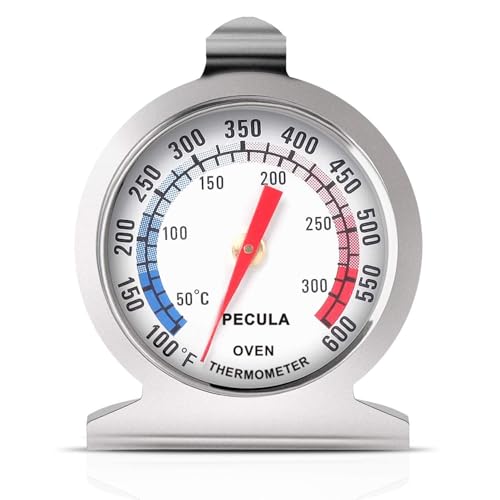
Stainless Steel Oven Thermometer 50-300°C/100-600°F, Analog Instant Read, Battery-Free Kitchen Cooking Thermometer, Hook & Stand Design Food Thermometer for Oven, Grill, Smoker, Fryer
Clear Dial Display: PECULA's analog oven thermometer delivers precise, instant readings from 50–300°C / 100–600°F. Its dial features…
As an affiliate, we earn on qualifying purchases.
As an affiliate, we earn on qualifying purchases.
How Ingredients Make or Break Your Cake’s Moisture
Ingredient choices play a huge role in the moisture content of your cake. Fats like butter or oil tenderize the crumb by coating proteins and starches, preventing them from tightening too much during baking. Liquids such as milk or buttermilk hydrate these proteins, allowing the gluten network to develop more uniformly and retain moisture. Skimping on these ingredients means the cake’s structure may be dry and crumbly because there’s insufficient moisture to keep the crumb tender.
Using healthier substitutes like yogurt or applesauce introduces natural moisture and can reduce fat content, making cakes more nutritious without sacrificing moistness. For example, replacing half of the oil with applesauce can maintain the moist crumb while lowering fat. However, it’s important to recognize that these substitutions can alter texture and flavor: applesauce may make the cake denser, and yogurt can add tanginess. Balancing these tradeoffs allows you to tailor the cake’s moistness to your dietary preferences and flavor profile.

Yuanfenron 2 Pcs Cake Moistening Bottle 12oz/350ml Graduated Squeeze Bottle for Soaking Cake Honey Plastic Syrup Dispenser Syrup Rain Spray with Sealing Lid Reusable Baking Tool, With Brush
Moistening Cakes: Our syrup bottles, specially designed for soaker cake, have dense spray holes on the head to…
As an affiliate, we earn on qualifying purchases.
As an affiliate, we earn on qualifying purchases.
The Secret to Perfectly Baked, Moist Cakes: Timing & Technique
Timing is everything. Check your cake early, around the 35-minute mark, especially if you’re baking at high altitude or using a dark pan, which can conduct heat more intensely. A toothpick inserted in the center should come out with moist crumbs or clean; wet batter indicates it needs more time. Overbaking causes moisture to evaporate rapidly, leading to a dry, crumbly cake, while underbaking leaves the interior raw and gummy, which can be perceived as moist but is actually underdone.
Overmixing batter develops gluten excessively, creating a dense, tough crumb that feels dry and chewy. Mix just until ingredients are combined — overmixing can lead to a compact, dry texture. Using a light-colored, non-stick pan helps distribute heat evenly, preventing hot spots that can cause uneven baking. Preheating the oven ensures consistent heat from the start, avoiding temperature fluctuations that can dry out the cake. Mastering these techniques helps create a stable, moist environment inside the oven, leading to a tender, moist crumb every time.

Sterilite Cake Server Circular Serving Container White
Plastic
As an affiliate, we earn on qualifying purchases.
As an affiliate, we earn on qualifying purchases.
Simple Tricks to Keep Your Cake Moist After Baking
Even a perfectly baked cake can dry out if stored improperly. Wrapping your cake tightly in plastic wrap or storing it in an airtight container creates a barrier against air exposure, which is the primary cause of moisture loss. For an extra moisture boost, brushing the cake with a sugar syrup—made by heating equal parts water and sugar until dissolved—acts as a moisture reservoir, rehydrating the cake’s crumb and enhancing flavor. This process also imparts a glossy finish, making the cake more appealing.
For example, brushing a freshly baked carrot cake with vanilla syrup keeps each bite moist and flavorful, preventing the cake from drying out overnight or during storage. These tricks are especially useful if the cake has been stored for a day or two, as they restore some of the lost humidity, ensuring each slice remains tender. Proper storage and moistening techniques are simple but powerful tools to extend the life of your moist, delicious cake.

Grevosea 2 Pcs Cake Syrup Dispenser, 350ml/12oz Sauce Bottles Graduated Plastic Squeeze Bottle with Sealing Lid Reusable Baking Tools for Honey Ketchup BBQ Salad Dressing
Precision Dense Spray Holes for Even Cake Moistening: Designed with finely spaced spray holes, this 350ml cake syrup…
As an affiliate, we earn on qualifying purchases.
As an affiliate, we earn on qualifying purchases.