TL;DR
Cornstarch is a powerful thickening agent used in sauces, baking, and cleaning. It’s gluten-free, versatile, but high in carbs. Knowing when and how to use it makes a real difference.
Cornstarch is a powerful thickener that creates smooth, glossy sauces and fillings when heated properly.
Always make a slurry with cold water before adding to hot liquids to avoid lumps.
In baking, cornstarch softens gluten, making cookies and cakes tender and airy.
Use cornstarch as a coating for frying to achieve that crispy, golden crust.
Beyond food, cornstarch can clean grease, soothe skin, and even serve in craft projects.
Why Cornstarch Is Your Best Thickening Ally
Cornstarch’s main role in the kitchen is to thicken liquids quickly and smoothly. When heated, tiny starch granules absorb water, swell up, and create a gel-like texture. This gelatinization process is crucial because it transforms a thin, runny mixture into a stable, hearty sauce or filling. The timing and temperature matter—if you don’t heat it enough, the starch won’t fully gelatinize, resulting in a thin or watery outcome. Conversely, overcooking can break down the starch structure, causing the thickened mixture to thin out again. Practical examples, like a glossy gravy or a fruit filling that holds together without becoming gluey, illustrate how cornstarch’s gelatinization offers both stability and a desirable mouthfeel. Understanding this process helps you control the texture, avoid lumps, and achieve consistent results. It also highlights the importance of the slurry method—mixing cornstarch with cold water prevents premature gelatinization and ensures a smooth, even thickening when added to hot liquids.

Hoosier Hill Farm Instant Clear Jel Thickening Powder, 1.5LB (Pack of 1)
Hoosier Hill Farm Instant Clear Jel instantly thickens foods without cooking! Unlike our classic cook-type formulation, Instant Clear…
As an affiliate, we earn on qualifying purchases.
As an affiliate, we earn on qualifying purchases.
How to Use Cornstarch Without Making a Mess
- Mix 1-2 teaspoons of cornstarch with an equal amount of cold water to form a slurry. This step is vital because dry cornstarch added directly to hot liquids tends to clump, which can ruin the texture and appearance of your dish. The cold water cools the starch granules slightly, preventing immediate gelatinization and allowing for a smooth incorporation.
- Add the slurry gradually to your hot liquid while stirring constantly. This gradual addition ensures the starch disperses evenly, preventing lumps and promoting uniform thickening. Stirring continuously helps distribute the heat and gelatinize the starch evenly across the mixture.
- Cook for just a minute or two until the mixture thickens and becomes glossy. Watching for that glossy sheen is a good indicator that the starch has fully gelatinized and your sauce or filling has reached optimal thickness. Overcooking, however, can break down the starch structure, leading to thinning or a loss of desired texture.
- Stop cooking to avoid breaking down the starch—overcooking can thin it out again. Removing the mixture from heat at the right moment preserves that ideal, velvety consistency, ensuring your dish maintains its intended texture and appearance.
For instance, when thickening a chicken gravy, this method prevents lumps and gives you a silky, even texture. Understanding the importance of the slurry technique and timing helps you master thickening with confidence, avoiding common pitfalls like clumping or thinning out after initially achieving the desired consistency.

Earthborn Elements Corn Starch (1 Gallon), Thickener For Sauces, Soup, & Gravy
Earthborn Elements Corn Starch
As an affiliate, we earn on qualifying purchases.
As an affiliate, we earn on qualifying purchases.
Cornstarch in Baking: Making Your Baked Goods Fluffier and Tender
Cornstarch isn’t just for thickening; it’s a baking secret that influences texture at a fundamental level. When added to flour, cornstarch interferes with gluten formation—the protein network responsible for the chewiness and structure in baked goods. By softening gluten development, cornstarch creates a more delicate crumb and tender mouthfeel. This effect is especially important in recipes like cookies, cakes, and shortbread, where a light, melt-in-your-mouth texture is desired. For example, a classic shortbread recipe uses a specific ratio of flour to cornstarch—about 2 parts flour to 1 part cornstarch—to achieve that signature crumb that dissolves instantly on the tongue. The tradeoff is that too much cornstarch can weaken structure, making baked goods crumbly or fragile, so balancing the amount is key. Using about 1-2 tablespoons of cornstarch per cup of flour in your recipes can significantly improve softness and tenderness without altering flavor or structural integrity. Recognizing this subtle but powerful impact of cornstarch helps bakers craft lighter, more tender treats with consistency and confidence.

Clabber Girl Non-GMO Corn Starch, Gluten Free, 6.5 Ounce
Clabber Girl Non-GMO Corn starch comes in a resealable 6.5 ounce can
As an affiliate, we earn on qualifying purchases.
As an affiliate, we earn on qualifying purchases.
Frying and Coating: The Secret to Crispy Perfection
Cornstarch creates a crispy, golden crust when frying because it forms a thin, even barrier that seals in moisture and prevents excess oil absorption. This barrier promotes a satisfying crunch and a uniform, attractive appearance. The key is that cornstarch’s fine particles adhere well to the surface of foods like chicken tenders or tofu, creating a crust that is both crisp and light. The barrier effect also helps maintain moisture inside the food, preventing it from drying out during frying. This is especially important for achieving that perfect balance of crispiness without greasiness—something that’s often elusive in home frying. For an extra boost, many chefs mix cornstarch with a bit of baking powder or spices, which enhances crispness and adds flavor. The tradeoff is that excessive use can lead to a coating that feels too dry or chalky, so moderation and proper technique are essential. Recognizing how cornstarch influences the structure of fried foods helps you consistently achieve that professional-level crunch and golden color, elevating your fried dishes from good to great.
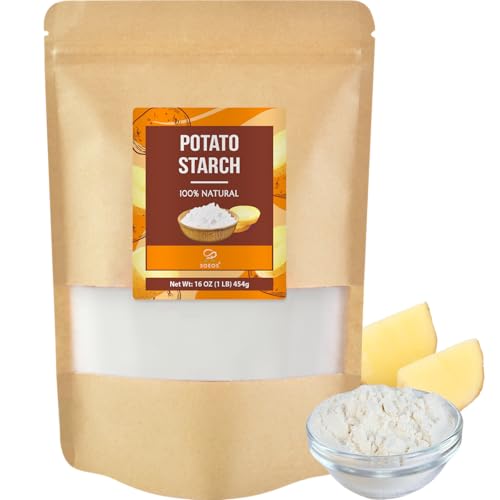
Soeos Potato Starch, 16 oz(1lb) 454g – Gluten-Free Thickener for Baking, Frying & Sauces, Crisp Texture Corn Starch for Tempura (Resealable Bag)
【Potato Starch For Cooking & Baking】It weighs 16 oz and is substantial enough to use without feeling burdensome….
As an affiliate, we earn on qualifying purchases.
As an affiliate, we earn on qualifying purchases.
Household Uses: More Than Just Food
Cornstarch can do more than thicken soups. Its absorbent and gentle abrasive qualities make it a versatile household helper. For instance, sprinkling cornstarch on greasy counters or stovetops absorbs excess oil and dirt, making cleaning more effective without harsh chemicals. This natural absorbency not only simplifies cleaning but also reduces reliance on synthetic cleaners, making it an eco-friendly choice. In personal care, a small amount mixed with water can soothe irritated skin or serve as a dry shampoo to absorb excess oil on your scalp, providing a quick refresh without water or chemicals. These uses leverage cornstarch’s gentle, non-toxic properties, making it suitable for sensitive skin and eco-conscious households. Having a small jar of cornstarch on hand allows for quick household fixes—whether it’s deodorizing shoes, absorbing spills, or freshening up fabrics—saving time and money while avoiding harsh ingredients. Recognizing the broader applications of cornstarch empowers you to incorporate this humble powder into everyday routines, reducing waste and promoting natural solutions.
What Recent Trends Say About Cornstarch’s Versatility
From eco-friendly cleaning to DIY beauty, recent trends highlight how cornstarch’s versatility extends far beyond the kitchen. Its natural absorbent and softening properties make it popular in sustainable living practices—used as a deodorizer, a slime ingredient for kids, or in craft projects. These trends reflect a growing desire for natural, multifunctional products that reduce reliance on synthetic chemicals. In the realm of food innovation, modified cornstarch is gaining traction for its improved freeze-thaw stability, which preserves quality in processed foods and ready-made meals. This innovation allows manufacturers to extend shelf life and improve texture, making processed foods more appealing and functional. The expanding use of cornstarch in sustainable and creative applications demonstrates its adaptability and relevance in modern lifestyles—offering consumers a simple, effective way to embrace eco-consciousness and creativity simultaneously. Understanding these trends encourages a broader appreciation of cornstarch’s potential, inspiring more innovative and environmentally friendly uses in everyday life.
Cornstarch vs. Substitutes: Which One Works Best?
| Feature | Cornstarch | Arrowroot | Tapioca Starch | Potato Starch |
|---|---|---|---|---|
| Thickening power | High, quick gelatinization | Similar, slightly more transparent | Similar, slightly more elastic | High, good for high heat |
| Clear finish | Cloudy, opaque | Translucent | Translucent | Opaque |
| Best for | Sauces, puddings, pie fillings | Fruit gels, sauces | Asian dishes, baking | Frying, thickening in high heat |
| Allergy considerations | Gluten-free, corn allergy needed | Gluten-free, nut allergy | Gluten-free, nightshade allergy | Gluten-free, nightshade allergy |
Choosing the right substitute depends on your recipe and dietary needs. Arrowroot is excellent for a clear finish, tapioca adds elasticity, and potato starch handles high-heat cooking well. However, each substitute has its nuances—such as differences in transparency, elasticity, or heat tolerance—that can impact your final dish. Recognizing these tradeoffs helps you select the best thickener for specific recipes and dietary restrictions, ensuring optimal results tailored to your needs. For example, if clarity is crucial for a fruit gel or sauce, arrowroot’s translucency makes it preferable. If you need a robust thickener that withstands high temperatures, potato starch might be the better choice. Understanding these subtle differences allows you to make informed decisions, balancing health considerations, cooking techniques, and desired textures.