TL;DR
Leavening agents like yeast, baking soda, and baking powder create gases that make baked goods rise. Natural and innovative options are shaping healthier baking today.
Ever wonder what makes your bread rise or your cake fluff up? It’s all about leavening agents — the ingredients that trap gases and create airy textures. Understanding what’s behind every rise can transform your baking from good to spectacular, especially if you’re aiming for healthier options.
In this guide, you’ll learn about the main types of leavening agents, recent trends, and practical tips to get your baked goods just right every time. Whether you’re baking bread, muffins, or pastries, knowing how these agents work makes all the difference.
Yeast creates flavor and structure through fermentation, not just rising.
Baking soda requires an acid to produce CO₂ instantly—perfect for quick breads.
Baking powder is a convenient, all-in-one leavening for cakes and muffins.
Natural leavening, like sourdough starters, offers healthier, flavorful options.
Always check freshness and proper technique to ensure your baked goods rise perfectly.
What Are the Main Types of Leavening Agents? You Need to Know These
Leavening agents fall into three broad categories: biological, chemical, and physical. Each works differently, but all serve the same purpose: to produce or trap gases that make dough and batter rise.
Biological leavening mainly involves yeast. Yeast ferments sugars, releasing carbon dioxide and alcohol. This slow fermentation process not only creates the necessary gas for rising but also enhances flavor complexity and texture. The alcohol and other byproducts contribute to the aroma and taste of baked goods, making yeast-leavened products richer and more nuanced. The tradeoff is that this method requires time and careful temperature control, which can extend baking schedules but results in a more developed flavor profile.
Chemical leavening includes baking soda and baking powder. These ingredients react rapidly when combined with moisture and heat, producing CO₂ almost instantly. Baking soda needs an acid, such as yogurt, vinegar, or citrus, to activate, which can influence the flavor and moisture content of your baked goods. Baking powder contains both acid and base, providing a more straightforward leavening process suitable for recipes where no additional acid is present. The quick action of chemical leaveners makes them ideal for recipes requiring a fast rise, but they can also lead to a less complex flavor if not balanced properly. The tradeoff here is speed versus flavor depth.
Physical leavening involves incorporating air or steam into the batter or dough. Techniques like whipping egg whites or creaming butter and sugar trap tiny air bubbles that expand upon heating. Puff pastries and éclairs rely heavily on steam expansion for their rise, which creates a flaky, layered structure. While physical leavening is quick and can produce impressive volume, it often requires careful handling to prevent deflation. The tradeoff is that it can be less reliable for achieving a consistent rise compared to biological or chemical methods, but it offers unique textural qualities.

Mature Sourdough Starter Culture – 100+ Years Old Dehydrated Sourdough Starter Kit for Delicious Homemade Sourdough Bread – All-Natural and Healthy – Beginner Friendly, Fast reactivation and Expert Support
Mature and Lively 100+ years Old Dehydrated Sourdough Starter – Create Delicious and Tangy Sourdough Bread right at…
As an affiliate, we earn on qualifying purchases.
As an affiliate, we earn on qualifying purchases.
How Do Leavening Agents Work? The Gases That Make Your Baked Goods Light
Leavening agents produce or trap gases—mostly carbon dioxide—that expand when heated. This expansion pushes against the structure of the dough or batter, creating the light, porous texture we love. But why does this matter? The effectiveness of this gas expansion directly impacts the final product’s texture, crumb structure, and even flavor development.
For instance, when you add baking soda to buttermilk pancakes, the acid-base reaction releases CO₂ instantly, which creates bubbles that give the pancakes their fluffy texture. If the reaction is too weak or too slow, the pancakes might turn out dense or flat. Similarly, yeast ferments sugars gradually, producing bubbles over hours, which develop flavor complexity and a chewy, airy crumb. This slow fermentation allows enzymes and yeast to break down starches and proteins, enriching the taste and improving digestibility.
Think of a balloon filling up: the gases inside stretch the surface, forming those familiar holes and airy textures. The key is trapping enough gas without letting it escape, which is where gluten networks or other structure-builders like proteins and starches come into play. Properly managing this balance determines whether your baked goods are light and airy or dense and flat. The tradeoff is that some methods require patience and precise technique to optimize gas retention and expansion, impacting overall baking time and complexity.
**Practical Application:** To improve your baking results, always ensure your leavening agents are fresh, measure them accurately, and combine them properly with other ingredients. For quick breads, use the right amount of baking powder or soda, and for yeast breads, allow sufficient proofing time. Experiment with different leavening methods to find what works best for your recipe and desired texture. For example, try adding whipped egg whites to your batter for extra lift or using a sourdough starter for flavor and health benefits. These small adjustments can make a noticeable difference in your baked goods.
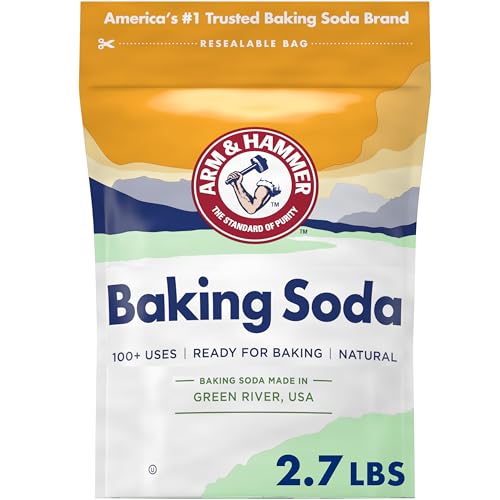
Arm and Hammer, Baking Soda, 43.2 Ounce
A HOUSEHOLD CLASSIC: This 2.7 lb resealable bag of ARM & HAMMER Baking Soda unlocks 100+ uses across…
As an affiliate, we earn on qualifying purchases.
As an affiliate, we earn on qualifying purchases.
Frequently Asked Questions
Can I replace yeast with baking powder in bread recipes?
Not directly. Yeast ferments slowly, developing complex flavors and a chewy texture over hours, while baking powder acts quickly to produce a rise. Substituting one for the other changes the fundamental process and outcome. Using baking powder instead of yeast in bread recipes often results in a denser, less flavorful product because it lacks the extended fermentation that develops aroma, gluten structure, and flavor depth. If you want a quick bread with a similar rise, you can experiment with baking powder, but expect a different texture and taste profile. The tradeoff is speed versus flavor complexity—choosing between a traditional, flavorful loaf and a faster, simpler one.
How do I know if my baking soda or baking powder is still good?
Testing their effectiveness is crucial because stale leavening agents can lead to flat baked goods. For baking soda, mix a teaspoon with a few drops of vinegar—if it fizzes vigorously, it’s active and ready to use. If there’s little to no reaction, it’s time to replace it. For baking powder, mix a teaspoon with hot water—if it bubbles strongly, it’s still good. If the reaction is weak or absent, it indicates the leavening power has diminished. Using fresh leavening agents ensures proper gas production, which is essential for achieving the desired rise, texture, and crumb structure. Old or expired agents can cause flat, dense results, undermining your baking efforts and wasting ingredients.
Are natural leavening methods better for health?
Natural leavening methods like sourdough fermentation can be gentler on digestion because they break down some of the gluten and phytic acid, making nutrients more bioavailable. They also add unique flavors and may contain beneficial probiotics, which can support gut health. Moreover, using natural starters reduces reliance on chemical leaveners and artificial additives, aligning with cleaner eating principles. However, the health benefits depend on the overall recipe and ingredients used. While natural leavening can offer some advantages, it’s important to consider the entire nutritional profile and how it fits into your diet. The tradeoff is that natural methods often require more time and skill, but they can yield more complex flavors and potentially healthier bread options.
What’s the biggest mistake bakers make with leavening?
The most common mistake is using old or expired leavening agents, which can significantly reduce the rise and affect flavor. Additionally, overmixing batter or dough after adding leavening can deflate bubbles, resulting in dense baked goods. For yeast-leavened products, improper proofing—either under or over—can compromise the rise and texture. Another mistake is not measuring ingredients accurately, which can throw off the chemical reactions needed for proper leavening. Proper storage, timely use, and precise techniques are essential to maximize the effectiveness of your leavening agents. Avoiding these pitfalls helps ensure consistent, light, and fluffy results every time.
Can steam alone make bread rise?
Steam provides physical leavening by expanding in baked goods like puff pastries, croissants, and choux pastry, creating flaky layers and volume. However, steam alone isn’t sufficient for most types of bread because it doesn’t produce the gas needed for the initial rise or crumb development. For bread, fermentation by yeast or chemical leaveners is necessary to generate the primary rise, with steam playing a supporting role in creating a desirable crust and texture. Relying solely on steam would result in a dense loaf lacking the internal aeration typical of bread. The tradeoff is that steam can enhance the final product’s appearance and mouthfeel but cannot replace the fundamental leavening processes required for bread’s structure.

Clabber Girl Double Acting Baking Powder, 8.1 Ounce
Gluten Free, Vegan, Vegetarian, Kosher, Halal
As an affiliate, we earn on qualifying purchases.
As an affiliate, we earn on qualifying purchases.
Conclusion
Leavening agents are the silent builders of your favorite baked goods. Understanding their differences and how they work empowers you to bake with confidence—and health in mind. Next time you bake, think of those tiny bubbles doing the heavy lifting, transforming simple ingredients into something light and delightful.
Keep experimenting, stay curious, and enjoy the magic behind every rise.
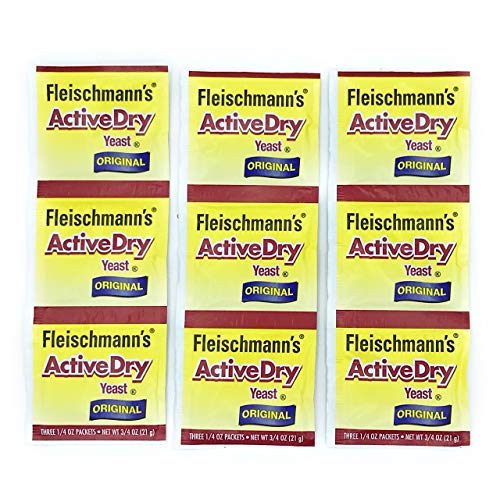
Fleischmann's Yeast, Active, Dry, 0.75-Ounce Packet (Pack of 9)
Highly stable and valued for its consistent performance since 1945
As an affiliate, we earn on qualifying purchases.
As an affiliate, we earn on qualifying purchases.