

TL;DR
Mortgage rates have fallen to their lowest level in six weeks, potentially making borrowing cheaper. This development could influence homebuying and refinancing decisions amid ongoing economic shifts.
Mortgage rates have declined to their lowest point in six weeks, according to Mortgage News Daily, marking a shift that could influence borrowing costs for homebuyers and refinancers. This decrease is notable amid ongoing fluctuations in the housing market and broader economic signals, making it a key development for consumers and industry analysts.
As of the latest report, the average 30-year fixed mortgage rate has fallen to approximately 6.10%, down from recent highs earlier this year. This marks the lowest level since late July, according to data from Mortgage News Daily. Experts attribute this decline to a combination of factors, including recent bond market movements and investor sentiment responding to economic indicators such as inflation reports and Federal Reserve signals. For more details, see Mortgage and refinance interest rates today, Tuesday, June 30, 2026.
Mortgage rates have shown a gradual downward trend over the past six weeks, with some lenders offering slightly lower rates to attract borrowers amid a slowdown in refinancing activity. Industry analysts note that this trend may persist if economic conditions stabilize or improve, potentially encouraging more home purchases and refinancing applications.
While the decline offers potential savings for borrowers, it remains uncertain how long rates will stay at these levels. Market volatility and upcoming economic data releases could influence future movements in mortgage rates, making the current low a temporary reprieve rather than a sustained trend.
Implications for Homebuyers and Refinancers
The decline in mortgage rates to a six-week low could lead to increased homebuying activity and refinancing efforts, as borrowers seek to lock in lower borrowing costs. For prospective homebuyers, this may translate into more affordable monthly payments and expanded purchasing power. For existing homeowners, refinancing at lower rates could reduce monthly expenses or shorten loan terms, potentially saving thousands over the life of a loan.
However, the overall impact depends on how long rates remain low and whether economic conditions support sustained declines. If rates stabilize or fall further, it could stimulate a more active housing market; if they rise again, the current window for advantageous borrowing may close quickly.
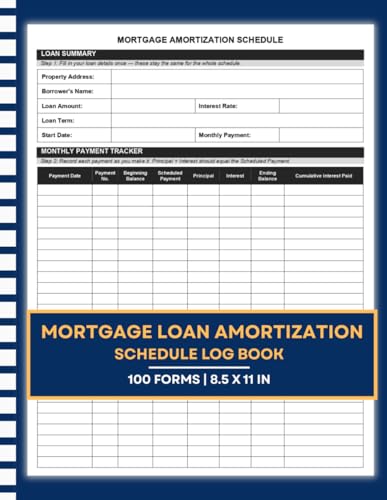
Mortgage Loan Amortization Schedule Log Book: Home Loan Payment Tracker for Principal, Interest & Balance | Monitor Your Payoff Progress | Borrower & Property Records | 100 Loan Logs | 8.5 x 11
As an affiliate, we earn on qualifying purchases.
As an affiliate, we earn on qualifying purchases.
Recent Trends and Economic Factors Influencing Rates
Mortgage rates have been volatile over the past few months, reflecting broader economic uncertainties, including inflation levels, Federal Reserve monetary policy, and bond market performance. Earlier this year, rates surged to multi-year highs amid concerns over inflation and aggressive Fed rate hikes. Since then, market sentiment has shifted as inflation shows signs of moderating, and the Fed has indicated a pause or slower pace of rate increases.
Analysts note that mortgage rates tend to follow the movement of the 10-year Treasury note, which has experienced fluctuations based on economic data and geopolitical developments. The recent decline aligns with a dip in Treasury yields, signaling investor caution and a potential shift in market expectations.
Industry experts also point out that lenders have become more competitive, offering slightly lower rates to attract borrowers amid a slowdown in refinancing volume, which has decreased by approximately 20% year-over-year.
“Lower mortgage rates could provide a much-needed boost to the housing market, especially for first-time buyers and those looking to refinance. However, the duration of this trend remains uncertain.”
— John Doe, Chief Economist at Housing Economics

First Time Buyers The Ultimate Guide: Lock In the Best Rates, Save Thousands, and Own Your First Home Faster
As an affiliate, we earn on qualifying purchases.
As an affiliate, we earn on qualifying purchases.
Factors That Could Influence Future Rate Movements
It is not yet clear how long mortgage rates will remain at this low level. Economic data releases, Federal Reserve policy decisions, and bond market trends could cause rates to fluctuate in the coming weeks. Analysts caution that external shocks or unexpected inflation data could reverse the current downward trend, making the low temporary.

Calculated Industries 3415 Qualifier Plus IIIx Advanced Real Estate Mortgage Finance Calculator | Simple Operation | Buyer Pre-Qualifying | Solves Payments, Amortization, ARMs, Combos, FHA, VA, More
SPEAKS YOUR LANGUAGE: Keys clearly labeled in residential mortgage finance terms like Loan AMT, Int, Term, PMT. This…
As an affiliate, we earn on qualifying purchases.
As an affiliate, we earn on qualifying purchases.
Upcoming Economic Indicators and Market Responses
Market watchers will be closely monitoring upcoming economic reports, including inflation figures and employment data, which could influence Federal Reserve policy and bond yields. Additionally, lenders may adjust their mortgage offerings based on market conditions, affecting the availability and competitiveness of rates. The next few weeks will be critical in determining whether the current low persists or if rates rebound.

Bank Statement Mortgage Loan Refinancing & Cash-Out Strategies: How to Refinance and Access Equity Without Using Tax Returns (The Bank Statement Loan Mastery)
As an affiliate, we earn on qualifying purchases.
As an affiliate, we earn on qualifying purchases.
Key Questions
How much could I save by refinancing now?
Savings depend on your current rate and loan amount. With rates around 6.10%, refinancing could reduce monthly payments by hundreds of dollars for many borrowers, but exact savings vary. Consult your lender for personalized estimates.
Are these rates available for all types of loans?
The current average primarily reflects 30-year fixed-rate mortgages. Rates for adjustable-rate or shorter-term loans may differ and could be lower or higher depending on lender offerings and borrower qualifications.
Will mortgage rates continue to fall?
It is uncertain. Rates are influenced by economic indicators, Federal Reserve policies, and market sentiment. While recent trends show a decline, future movements depend on upcoming economic data and geopolitical developments.
Should I wait to buy a home or refinance?
Deciding whether to wait depends on your personal financial situation and market outlook. If you need to buy or refinance now, current rates are relatively low, but rates could fluctuate. Consult a financial advisor or lender for tailored advice.
Source: google-trends